Recycled polyester releases more microplastics
When the sustainable solution may make the problem worse. In recent years, recycled polyester has become the symbol of “eco-friendly” fashion: promoted as a virtuous alternative to virgin polyester, it has been adopted by dozens of global brands as a strategy to reduce the industry’s environmental impact. However, a recent scientific study raises serious doubts about the true sustainability of this fiber and challenges a previously widespread and little-examined narrative. The results of the “Spinning Greenwash” study The Changing Markets Foundation, a nonprofit organization working on environmental sustainability, commissioned research from the Microplastic Research Group at Çukurova University (Turkey) to compare the release of microplastics between recycled and virgin polyester…
Microfibers and microplastics from textile materials: what are they and how to reduce them?
Thanks to two interesting studies*, reviewing the research on microfibres and microplastics, we try to shed light on a topic more and more preoccupying. The increase in the production of textile fibers in the last 20 years, in particular of synthetic ones, and the discoveries on the effects they have on man and the environment place more and more attention on the subject. Fiber fragments released from clothing and home textiles during washing, drying and use are considered a new source of environmental pollution and a health threat. What are microfibres? What size are they? “Microfibre” is a consolidated term in the textile industry to indicate fibers between 10 and…
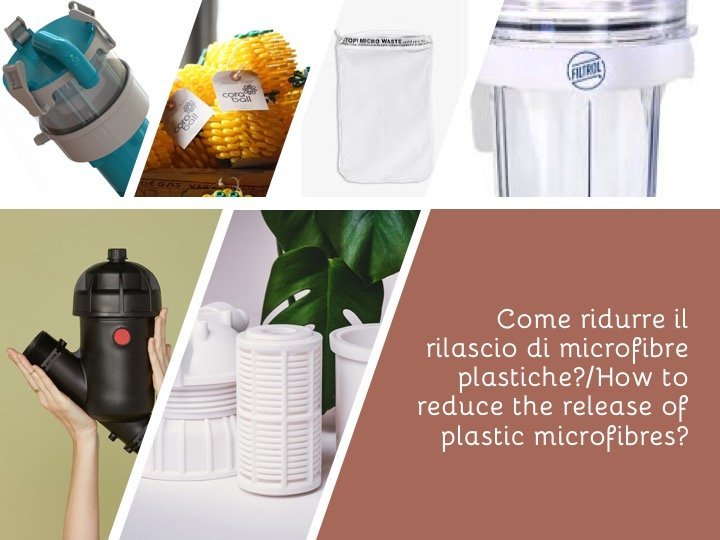
How to reduce the release of plastic microfibres when we do our laundry in the washing machine?
Italiano/English below Circa il 60% della produzione tessile globale è in poliestere, un materiale sintetico che deriva dal petrolio. Ogni anno sono necessari 70 milioni di barili di petrolio greggio, un’energia non rinnovabile, per la produzione di poliestere. Non solo, il problema di questo tessuto e delle altre tipologie di tessuti sintetici (come spandex, nylon, acrilico, acetato) è il rilascio di microfibre durante i lavaggi in lavatrice. Si stima che ogni capo rilasci 2.000 microfibre plastiche a ogni ciclo di lavaggio. Le microfibre, attraverso i tubi di scarico, arrivano nei nostri fiumi e mari inquinando, danneggiando la fauna acquatica ed entrando nella catena alimentare (per cui probabilmente nell’acqua e nel…